Your Puppy’s First 24 Hours at Home
A calm arrival plan, a flexible first night, and practical ways to prepare without expecting perfection.
By Hairold The Dog · Published September 24, 2026 · General education, not individual veterinary advice.
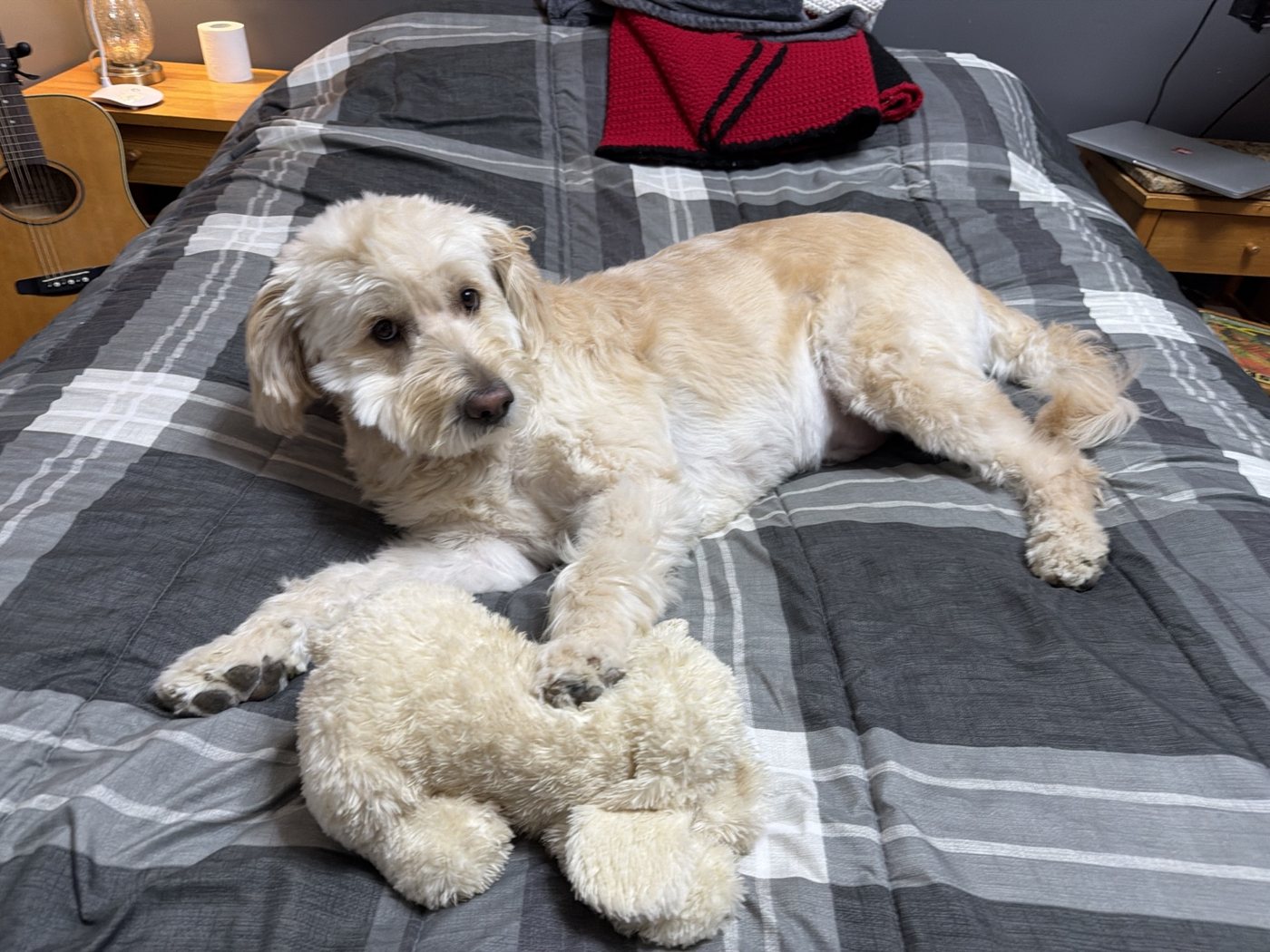
Prepare the handover, not a perfect day
Before collection, write down who is driving, who is looking after the puppy, and where the care paperwork will go. Keep the previous caregiver’s contact details with the records. Ask for the current food and feeding routine, and note anything you need to clarify with your veterinarian. A short written handover is easier to use than trying to remember a conversation while holding a puppy.
Make the first hour small and quiet
PDSA recommends offering a toilet opportunity on arrival, showing the puppy their resting area and bowls, and introducing the home gradually. Keep greetings calm and save the visitor parade for later. Follow the familiar feeding routine and allow regular toilet opportunities, especially after eating and waking. Short play and plenty of rest are a better starting point than a busy programme of activities. Read PDSA’s first-day guidance.
Give the humans a simple plan
Choose who will handle the next meal, the next bathroom opportunity, and bedtime. Put cleanup supplies somewhere easy to reach. Agree where the puppy can explore and which rooms stay closed. Use the schedule builder to record the plan, then change it when the day tells you something different. A schedule should help you notice needs, not make you wait for a clock time.
Leave room for reassurance at night
PDSA advises keeping nights calm, offering comfort when a puppy is worried, and expecting that overnight toilet breaks may be needed. Being nearby during the first nights can help with the transition. If you use a crate, introduce it gradually and positively; the RSPCA says it should be a comfortable refuge, never a punishment. A crate is not a way to avoid responding to a puppy’s needs. Read the RSPCA’s crate introduction guide.
Hairold’s first night was not a template
Hairold’s first night involved his crate, the top of his crate, the bed, and more cleanup than anyone planned. His owner opened the windows and they slept in the spare room. The family later found that a heartbeat puppy toy from Ren’s Pets helped him settle. Those are their memories, not promises about another puppy’s sleep or house training. Read Hairold’s real homecoming story.
Tomorrow’s useful note
Write down what you want to ask the clinic, what supplies you actually used, and which part of the routine needs adjusting. If you are concerned about the puppy’s health, contact your veterinarian rather than treating a planning guide as a diagnosis. Your puppy does not need a flawless first day. They need attentive care and a routine that can adapt.