Prepare for Your Puppy’s First Vet Visit
Organize records, observations, and questions so you can make good use of the appointment.
By Hairold The Dog · Published September 24, 2026 · General education, not individual veterinary advice.
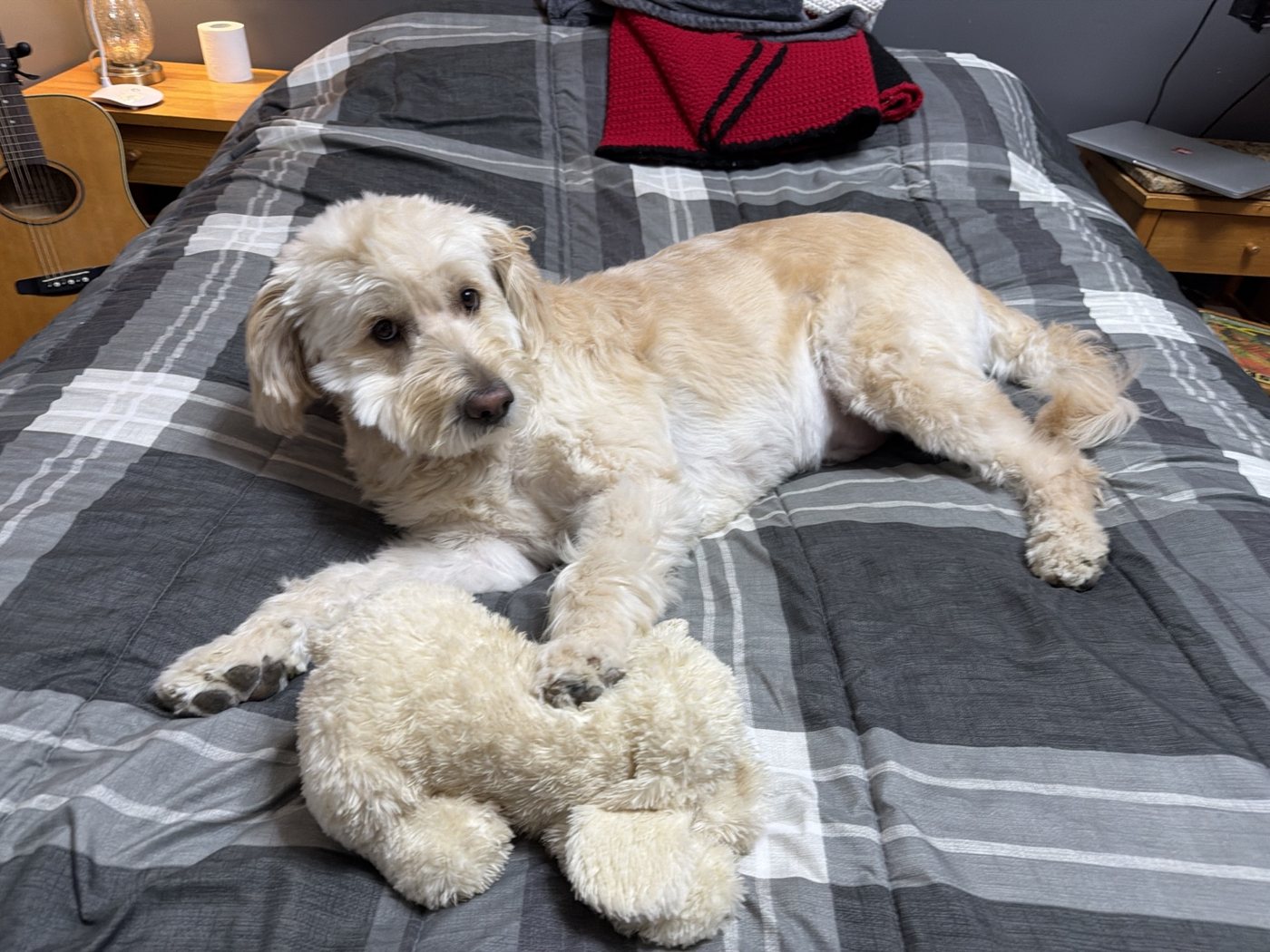
Call the clinic before you pack
Arrange the first appointment with your chosen clinic and ask what they want you to bring, how to arrive with a young puppy, and whether they need records sent ahead. This guide is an organizer, not a vaccination timetable. Your veterinarian will set an individual plan based on your puppy, history, and local risks.
Build one small record bundle
The North Carolina Veterinary Medical Association recommends bringing the puppy’s background and care records: date of birth, previous veterinary notes, vaccination and deworming history, and details of medicines or supplements. Bring the current food information too; a clear label photograph can help. Ask the clinic whether it wants a stool sample and follow its collection instructions. See the NCVMA’s preparation checklist.
Separate what you know from what you need to ask
A useful page has three columns: confirmed information, your observations, and questions. If a record is missing, say it is missing. If you noticed a change, write down when it happened and what you actually saw. Avoid turning an observation into a diagnosis. A short phone note is fine; the aim is to make the conversation easier, not to produce an elaborate report.
Choose your most important questions
NCVMA identifies nutrition, preventive care, behaviour, dental care, and appropriate exposure to other animals as useful discussion topics. Pick the questions that matter for your puppy now. For example: what should we do before the next appointment, what records should we keep, and who should we contact after hours? Ask which topics need a separate follow-up so you leave with a manageable plan.
Write down the next step before leaving
Keep the clinic’s written instructions together with the records. Note the next appointment if one is arranged, and ask the team to clarify anything you do not understand. For budgeting, enter your own clinic’s estimates in the Dog Cost Calculator. It is a planning tool, not a quote from a veterinary practice.
Make everyday care easier to hand over
Once the care plan is clear, use the printable dog sitter sheet to record contacts and the instructions you want a trusted caregiver to follow. Copy professional instructions accurately; do not invent doses or treatments. Keep the detailed medical record with the clinic and use your sheet as a practical handover. Hairold’s favourite routine may involve Grandma’s bed, but the important part of any handover is knowing the individual dog.